
Introduction: A Millennium-Old Marvel Defying Time and Gravity
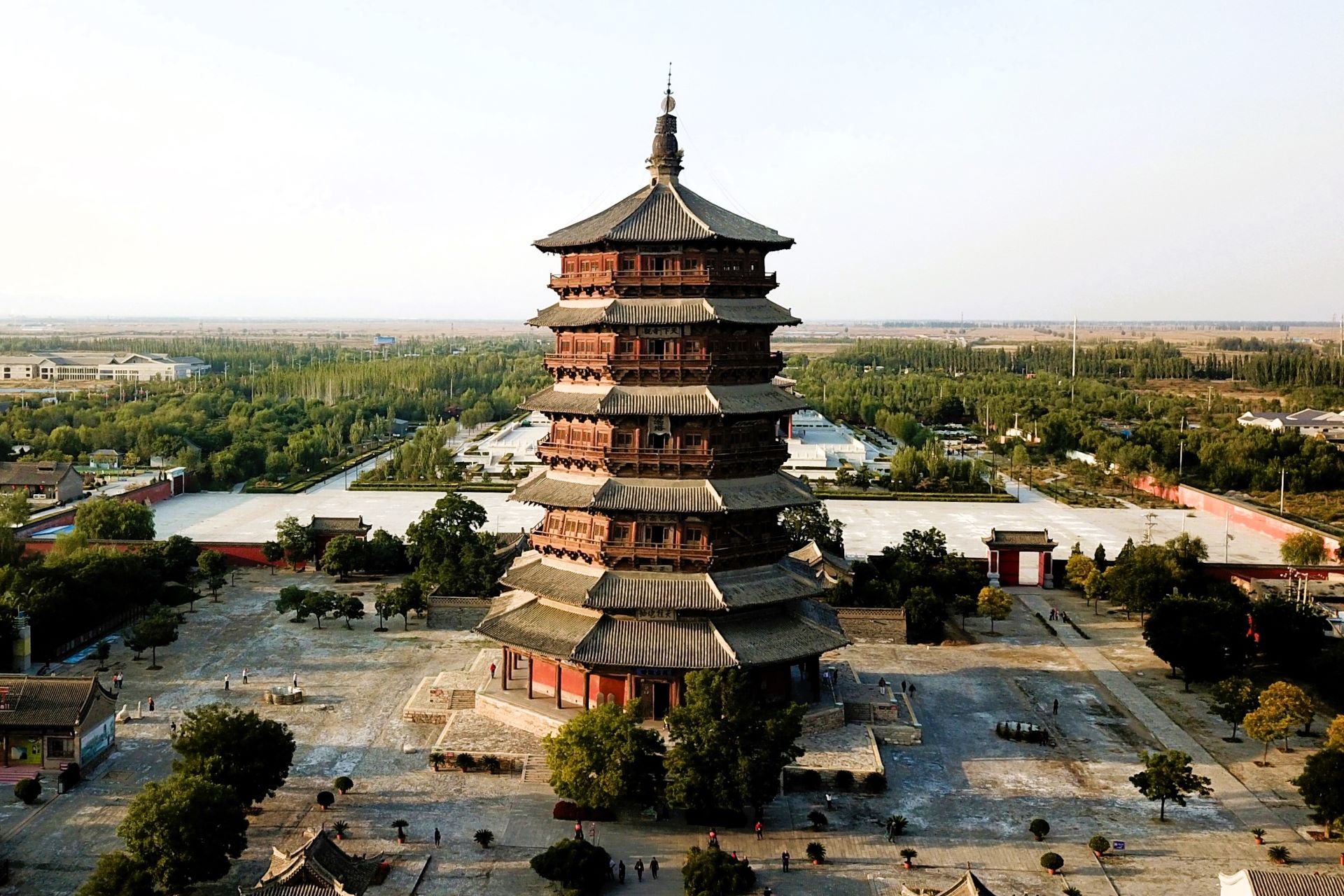
Imagine a towering structure soaring 67.31 meters into the Shanxi sky—built entirely of wood, assembled without a single nail, and standing strong for nearly 1,000 years through earthquakes, wars, and the relentless passage of time. This is not a legend; this is the Yingxian Wooden Pagoda (应县木塔), officially known as the Sakyamuni Pagoda of Fogong Temple, and it stands as one of humanity’s most extraordinary architectural achievements.
Located just 75 kilometers from Datong and approximately 1.5 hours by car from the Jianguo HIDDEN Hotel Flagship Store, this Liao Dynasty masterpiece offers travelers a rare opportunity to witness ancient engineering genius firsthand. For guests staying at Jianguo HIDDEN Hotel at 15th-21st Floors, Northwest Corner of Xingping Street and Hengyuan Road in Pingcheng District, the Yingxian Wooden Pagoda represents the perfect addition to a Shanxi heritage tour—especially when combined with the nearby Hengshan Hanging Temple for an unforgettable day of cultural discovery.
Whether you’re an architecture enthusiast, history buff, photography lover, or spiritual seeker, the Yingxian Wooden Pagoda delivers a profound experience that connects you to China’s imperial past while showcasing timeless craftsmanship that continues to inspire engineers and artists worldwide.
Historical Significance: A Liao Dynasty Legacy Preserved
Origins in 1056 AD: Faith Carved in Timber
The Yingxian Wooden Pagoda was constructed in 1056 AD during the Liao Dynasty (907-1125), a period when the Khitan people ruled northern China and fostered a unique blend of Chinese and Central Asian cultural influences. Commissioned by Emperor Daozong of Liao, the pagoda was built to house sacred Buddhist relics and serve as a spiritual beacon for the region.
Key Historical Facts:
- Construction Period: Built over several decades, completed in 1056 AD
- Original Purpose: Enshrine Buddhist relics and demonstrate imperial devotion
- Architectural Patronage: Supported by the Liao imperial court and local monastic communities
- Survival Story: Withstood at least seven major earthquakes, including the devastating 1556 Shaanxi earthquake that killed over 800,000 people
UNESCO Recognition & Global Significance
While not yet inscribed as a World Heritage Site, the Yingxian Wooden Pagoda has been included on China’s UNESCO Tentative List and is recognized internationally for:
✓ Being the world’s oldest and tallest entirely wooden pagoda still standing
✓ Demonstrating advanced pre-modern seismic engineering through flexible wooden joinery
✓ Preserving Liao Dynasty architectural aesthetics rarely seen elsewhere
✓ Serving as a living laboratory for traditional Chinese carpentry techniques
In 2016, the pagoda was officially recognized by the Guinness World Records as the tallest ancient wooden building in the world—a testament to its enduring global significance.
Architectural Marvel: Engineering Without Nails
The Genius of Dougong Bracketing
The Yingxian Wooden Pagoda’s survival for nearly a millennium is attributed to its revolutionary construction technique: the dougong (斗拱) bracket system. This intricate wooden joinery method allows the structure to flex and absorb energy during seismic events—essentially functioning as an ancient shock absorber.
Key Structural Features
| Feature | Description | Engineering Significance |
|---|---|---|
| Height | 67.31 meters (221 feet) | Tallest ancient wooden structure globally |
| Stories | 5 visible exterior levels + 4 hidden interior levels = 9 total | Creates structural redundancy and stability |
| Wood Volume | Approximately 3,000 cubic meters of premium pine and fir | Massive yet precisely fitted components |
| Joinery | Zero nails; all connections use mortise-and-tenon joints | Allows flexibility during earthquakes |
| Foundation | Stone platform with layered rammed earth base | Distributes weight and prevents settling |
| Roof Design | Multi-tiered, overhanging eaves with ceramic tiles | Reduces wind load and protects wooden structure |
How the Dougong System Works
The dougong bracket system is a masterpiece of traditional Chinese carpentry:
- Interlocking Brackets: Wooden arms (gong) and blocks (dou) fit together like a 3D puzzle
- Load Distribution: Weight from upper levels transfers through brackets to columns
- Seismic Flexibility: Joints allow slight movement during earthquakes without breaking
- Modular Design: Components can be replaced individually without dismantling the whole structure
- Aesthetic Harmony: Brackets create the pagoda’s distinctive layered silhouette
This system is so advanced that modern engineers still study the Yingxian Pagoda to understand earthquake-resistant design principles.
Interior Layout & Buddhist Art
While visitors cannot climb the pagoda today (preservation restrictions), the ground floor offers remarkable glimpses into its spiritual and artistic heritage:
🕉️ Central Sakyamuni Buddha: A massive 11-meter-tall statue dominates the main hall, carved from a single piece of wood and adorned with gold leaf
🎨 Liao Dynasty Murals: Fragments of original Buddhist paintings depicting celestial beings and jataka tales
🗿 Guardian Statues: Four imposing Heavenly Kings flank the entrance, protecting the sacred space
📜 Sacred Relics: Historical records indicate the pagoda once housed舍利 (śarīra)—Buddhist relics believed to possess spiritual power
Note: Photography inside the main hall is restricted to protect ancient pigments; exterior photography is encouraged.
Planning Your Visit from Jianguo HIDDEN Hotel
Why Choose Jianguo HIDDEN Hotel as Your Base?
The Jianguo HIDDEN Hotel Flagship Store offers exceptional advantages for travelers visiting the Yingxian Wooden Pagoda:
✓ Strategic Location: Just 75 km from Yingxian County, approximately 1.5 hours by car
✓ Modern Comfort: Newly opened in 2023 with 9.5/10 guest rating from 1,550+ reviews
✓ Tour Arrangement Services: Expert concierge can book combined tours with Hanging Temple
✓ Early Departure Support: Breakfast available from 6:30 AM for early starts
✓ Luggage Storage: Store bags for flexible day-trip scheduling
✓ Local Expertise: Staff provide current conditions, weather updates, and insider tips
Hotel Contact Information:
📍 Address: 15th-21st Floors, Northwest Corner of Xingping Street and Hengyuan Road, Pingcheng District, Datong, Shanxi, China
📞 Telephone: +86-352-5372888-0
🌐 Website: https://datong-wanda.jianguohiddenhotel.com
Transportation Options: Getting to Yingxian Wooden Pagoda
Option 1: Combined Tour with Hanging Temple (Highly Recommended)
Details:
- Duration: Full day (8-9 hours total)
- Route: Jianguo HIDDEN Hotel → Hanging Temple (65 km) → Yingxian Pagoda (30 km) → Return to Datong
- Cost: Approximately $99-129 USD per person for private tour with guide and transportation
- Benefits:
- Efficient itinerary covering two of Shanxi’s most iconic heritage sites
- Professional guide provides historical context for both locations
- Door-to-door service eliminates navigation stress
- Flexible pacing based on group interests
Booking: Contact Jianguo HIDDEN Hotel concierge at least 48 hours in advance, especially during peak season.
Option 2: Private Car with Driver
Details:
- Duration: 1.5 hours each way from Datong
- Cost: Approximately 400-600 RMB round-trip (negotiate waiting time)
- Vehicle: Comfortable sedan or minivan
- Tips:
- Have hotel staff write destination in Chinese: 应县木塔,朔州市
- Confirm driver understands waiting time (2-3 hours recommended at pagoda)
- Bring cash as rural drivers may not accept mobile payments
Option 3: Public Bus
Details:
- Route: Datong Long-Distance Bus Station → Yingxian County → Local taxi to Fogong Temple
- Duration: 2.5-3 hours total
- Cost: Approximately 40-60 RMB total
- Frequency: Buses depart Datong every 1-2 hours (6:30 AM – 4:30 PM)
- Note: Less convenient but budget-friendly; requires Chinese language skills and patience
Option 4: Rental Car
Details:
- Route: Follow G55 Highway south, then provincial roads to Yingxian County
- Navigation: Use Baidu Maps or Amap (Google Maps less reliable in rural China)
- Parking: Free parking available at Fogong Temple visitor center
- Considerations: Mountain roads require confident driving; signage primarily in Chinese
Ticket Information & Admission Details
Current Admission Prices (2026)
| Ticket Type | Price (RMB) | Price (USD approx.) | Notes |
|---|---|---|---|
| Adult Entry | 50 RMB | ~$7 USD | Includes temple grounds and pagoda exterior viewing |
| Student/Senior | 25 RMB | ~$3.50 USD | With valid ID |
| Children <1.2m | Free | Free | Height-based policy |
| Audio Guide | 20 RMB | ~$3 USD | Available in Chinese and English |
| Photography Permit | Included | Included | Exterior photography permitted; interior restricted |
Important Preservation Notice
⚠️ Climbing the pagoda is strictly prohibited to protect this irreplaceable cultural treasure. The wooden structure has experienced gradual tilting over centuries, and limiting visitor access helps preserve its integrity for future generations.
What You CAN Do: ✓ Walk around the pagoda’s base for 360-degree exterior views
✓ Enter the ground-floor hall to view the central Buddha statue
✓ Explore the Fogong Temple complex and surrounding courtyards
✓ Visit the on-site museum for historical exhibits and architectural models
✓ Photograph the pagoda from designated viewpoints
Optimal Visiting Times & Strategies
Best Time of Day
Early Morning (8:00 AM – 10:00 AM) ⭐ HIGHLY RECOMMENDED
- Soft morning light enhances the pagoda’s wooden textures and layered eaves
- Minimal crowds for unobstructed photography
- Cooler temperatures for comfortable exploration
- Peaceful atmosphere for spiritual reflection
Mid-Morning to Early Afternoon (10:30 AM – 2:00 PM)
- Brightest natural light for detailed exterior photography
- Busiest period; expect tour groups and families
- Good for observing architectural details in full sunlight
Late Afternoon (3:00 PM – 5:00 PM)
- Warm golden light creates dramatic shadows and highlights
- Crowds begin to thin
- Ideal for silhouette shots against the setting sun
Best Season to Visit
| Season | Pros | Cons |
|---|---|---|
| Spring (April-May) | Mild weather, blooming trees, clear skies | Occasional sandstorms in northern Shanxi |
| Summer (June-August) | Long daylight hours, lush greenery | Hot, humid; peak tourist season |
| Autumn (September-October) | Perfect temperatures, spectacular foliage, crisp air | Popular season; book tours in advance |
| Winter (November-March) | Minimal crowds, dramatic snow scenery, lower prices | Cold temperatures; some facilities may have reduced hours |
Photography Guide: Capturing a Millennium-Old Masterpiece
Best Photography Locations
📸 Southeast Corner at Sunrise: Golden light illuminates the pagoda’s intricate bracketing against a clear sky
📸 Full-Frontal View from Temple Courtyard: Classic composition showcasing all five visible stories
📸 Low-Angle Shot from Ground Level: Emphasizes the pagoda’s towering height and vertical lines
📸 Detail Shots of Dougong Brackets: Close-ups reveal the craftsmanship of interlocking wooden joints
📸 Pagoda with Temple Roof Foreground: Layered composition adding depth and context
Photography Tips & Restrictions
✓ Permitted:
- Personal photography of the pagoda exterior from all angles
- Tripods allowed in temple courtyards (not inside buildings)
- Drone photography with prior permit from temple administration
- Wide-angle and telephoto lenses for varied perspectives
✗ Restricted:
- No photography inside the main hall (protects ancient murals and statues)
- No flash photography anywhere on temple grounds
- No commercial photography without written permission
- No climbing or touching the pagoda structure for photos
Pro Tips:
- Lens recommendation: Wide-angle (16-35mm) for full structure; macro (90-100mm) for bracket details
- Settings: Use polarizing filter to reduce glare on wooden surfaces; bracket exposures for HDR
- Timing: Golden hour (shortly after sunrise or before sunset) for dramatic lighting
- Composition: Include human figures or temple elements to convey scale and context
- Weather: Overcast days provide soft, even lighting ideal for architectural photography
What to Expect: Inside the Fogong Temple Complex
Visitor Flow & Experience
Step 1: Visitor Center & Museum (30 minutes)
- Purchase tickets and collect audio guides
- View exhibits on pagoda history, construction techniques, and preservation efforts
- Watch short documentary on Liao Dynasty Buddhism (Chinese with English subtitles)
- Use restrooms before exploring the temple grounds
Step 2: Temple Courtyard Approach (15 minutes)
- Walk through traditional Chinese gateway into the main courtyard
- First breathtaking view of the pagoda rising above temple buildings
- Photography opportunity from multiple angles
- Observe incense burners and prayer flags adding cultural atmosphere
Step 3: Ground-Floor Hall Visit (20-30 minutes)
- Enter the main hall to view the massive Sakyamuni Buddha statue
- Observe Liao Dynasty murals and guardian statues (no photography inside)
- Learn about Buddhist rituals and the pagoda’s spiritual significance
- Exit through side doors to continue exterior exploration
Step 4: Exterior Circumnavigation (30-45 minutes)
- Walk around the pagoda’s base for 360-degree views
- Study the dougong bracket system from different angles
- Photograph the layered eaves and ceramic roof tiles
- Pause at designated viewpoints for optimal compositions
Key Highlights Not to Miss
🏯 Central Buddha Statue: 11-meter-tall wooden Sakyamuni Buddha in the main hall
🔍 Dougong Bracket Details: Intricate wooden joinery visible from ground level
🏛️ Temple Architecture: Traditional Liao Dynasty buildings surrounding the pagoda
🗿 Guardian Statues: Four imposing Heavenly Kings protecting the sacred space
📜 Historical Inscriptions: Stone tablets documenting the pagoda’s construction and repairs
🌳 Ancient Trees: Centuries-old cypress trees adding to the site’s serene atmosphere
Combining Your Visit: Yingxian Pagoda + Hanging Temple Day Trip
Why Combine These Two Icons?
The Yingxian Wooden Pagoda and Hengshan Hanging Temple represent two of Shanxi Province’s most extraordinary architectural achievements—both dating to the Liao Dynasty, both showcasing revolutionary engineering, and both located within reasonable driving distance of each other. Combining them creates a comprehensive Shanxi heritage experience that few travelers forget.
Suggested Combined Itinerary from Jianguo HIDDEN Hotel
Full-Day Cultural Immersion:
| Time | Activity |
|---|---|
| 7:00 AM | Early breakfast at Jianguo HIDDEN Hotel; depart for Hunyuan County |
| 8:30 AM | Arrive at Hanging Temple; enter with pre-booked tickets |
| 8:45 AM – 10:15 AM | Explore Hanging Temple (allow 90 minutes) |
| 10:30 AM | Transfer to Yingxian Wooden Pagoda (30 minutes drive) |
| 11:00 AM – 12:30 PM | Visit Yingxian Pagoda and Fogong Temple complex |
| 12:30 PM | Lunch at local restaurant in Yingxian County (try Shanxi noodles) |
| 2:00 PM | Optional: Explore Yingxian old town or return directly to Datong |
| 3:30 PM | Begin return journey to Datong |
| 5:00 PM | Arrive at Jianguo HIDDEN Hotel; relax or explore Wanda Plaza |
Alternative: Relaxed Half-Day Option
- Focus solely on Yingxian Wooden Pagoda with leisurely pace
- Return to hotel by early afternoon for rest or city exploration
- Ideal for visitors with limited time or mobility considerations
Tour Packages Available Through Jianguo HIDDEN Hotel
Private Heritage Tour: Hanging Temple + Yingxian Pagoda
Price: Approximately $129 USD per person (minimum 2 guests)
Includes:
- Private vehicle with English-speaking driver
- Professional local guide specializing in Liao Dynasty history
- All entrance fees and audio guides
- Bottled water and light snacks
- Hotel pickup and drop-off
- Flexible itinerary customization
Departure Times: 7:00 AM or 8:00 AM daily (subject to weather)
Duration: 8-9 hours total
Group Size: Private tours for 2-6 guests; small group options available
Customizable Add-Ons: ✓ Traditional Shanxi Lunch: Authentic local cuisine at countryside restaurant
✓ Cultural Workshop: Try traditional paper-cutting or calligraphy in Yingxian
✓ Photography Focus: Guide with photography expertise for optimal shots
✓ Extended Temple Visit: Additional time at Fogong Temple for deeper exploration
How to Book:
- Contact Concierge: Call +86-352-5372888-0 or visit front desk
- Specify Preferences: Group size, interests, physical capabilities, dietary needs
- Confirm Details: Receive itinerary, meeting point, and preparation tips
- Advance Notice: Book at least 48 hours ahead; longer during peak season
- Payment: Settle at hotel before departure or include in room charge
Website: https://datong-wanda.jianguohiddenhotel.com for tour descriptions and guest reviews
Practical Visitor Information
What to Bring
✅ Comfortable walking shoes with good grip (temple grounds have uneven stone paths)
✅ Light jacket or layer (courtyard areas can be windy)
✅ Sun protection: hat, sunglasses, sunscreen
✅ Water bottle (stay hydrated during exploration)
✅ Camera with extra batteries and memory cards
✅ Small backpack for personal items (hands-free for photography)
✅ Cash for small vendors and tips (not all accept mobile payments)
✅ Portable phone charger for navigation and translation apps
Accessibility Considerations
The Fogong Temple complex has made efforts to accommodate visitors with mobility challenges:
✓ Paved pathways around the pagoda base and main courtyard
✓ Ramps at key entry points to temple buildings
✓ Rest areas with seating at regular intervals
✓ Accessible restrooms at visitor center
Note: The pagoda itself cannot be climbed, and some temple buildings have steps. Staff can provide alternative viewing suggestions for visitors with limited mobility.
Facilities On-Site
- Visitor Center: Tickets, information, audio guides, restrooms
- Museum: Exhibits on pagoda history and preservation
- Souvenir Shop: Books, postcards, local crafts, Buddhist items
- Snack Stalls: Local Shanxi specialties and beverages
- Prayer Area: Space for quiet reflection and incense offering
Frequently Asked Questions (FAQs)
Q: How far is the Yingxian Wooden Pagoda from Jianguo HIDDEN Hotel?
A: Approximately 75 kilometers south of Datong, about 1.5 hours by car under normal traffic conditions.
Q: Can I climb the Yingxian Wooden Pagoda?
A: No, climbing is strictly prohibited to protect this irreplaceable cultural treasure. The wooden structure has experienced gradual tilting, and limiting access helps preserve its integrity. Visitors can explore the ground floor and walk around the exterior.
Q: Is the pagoda suitable for children?
A: Yes, children are welcome. The site is educational and visually impressive for young visitors. However, supervise children closely around the temple grounds and respect quiet areas.
Q: Are there restrooms at the site?
A: Yes, clean public restrooms are available at the visitor center and near the main temple buildings.
Q: Can I bring food and water onto the temple grounds?
A: Small water bottles and light snacks are acceptable. Please dispose of all trash properly. Full meals should be consumed at designated dining areas or nearby restaurants.
Q: What if I have mobility issues?
A: The temple courtyards are mostly accessible with paved pathways and ramps. However, some buildings have steps. Contact Jianguo HIDDEN Hotel concierge to discuss alternatives or assistance.
Q: Is there Wi-Fi at the site?
A: Limited Wi-Fi is available at the visitor center. Download maps, translation apps, and information before departure, as connectivity is unreliable in rural Shanxi.
Q: What happens if it rains?
A: The pagoda and temple buildings provide natural shelter. Light rain won’t close the site, but bring rain gear for walking between buildings. Heavy storms may result in temporary closure for safety.
Q: Are guided tours available?
A: Yes, Jianguo HIDDEN Hotel can arrange English-speaking guides specializing in Liao Dynasty history and architecture. Guided tours significantly enhance understanding of the pagoda’s engineering and spiritual significance.
Q: Can I combine this visit with other attractions?
A: Absolutely! The Yingxian Wooden Pagoda pairs perfectly with the Hengshan Hanging Temple for a full-day Shanxi heritage tour. Jianguo HIDDEN Hotel concierge can arrange combined itineraries.
Cultural Etiquette & Respectful Visiting
Honoring a Sacred Heritage Site
The Yingxian Wooden Pagoda remains an active place of Buddhist worship and a symbol of cultural pride. Please observe:
✓ Speak softly in temple halls and prayer areas
✓ Dress modestly: Shoulders and knees covered (respectful attire)
✓ Remove hats when entering shrine interiors
✓ Ask permission before photographing monks or worshippers
✓ Do not touch ancient statues, murals, or wooden structures
✓ Follow designated paths and respect barrier ropes
✓ Dispose of incense respectfully if participating in rituals
Supporting Preservation
Your visit contributes to ongoing conservation efforts:
- Ticket revenues fund structural monitoring and restoration
- Visitor limits protect the ancient wooden framework
- Respectful behavior minimizes wear on historic surfaces
- Sharing preservation messages amplifies global awareness
Nearby Attractions to Extend Your Journey
Within Yingxian County
- Yingxian Old Town – Traditional Shanxi streets and local markets
- Fogong Temple Additional Halls – Explore subsidiary buildings with Buddhist art
- Local Craft Workshops – Observe traditional paper-cutting and woodcarving
Combined with Hanging Temple (30 km away)
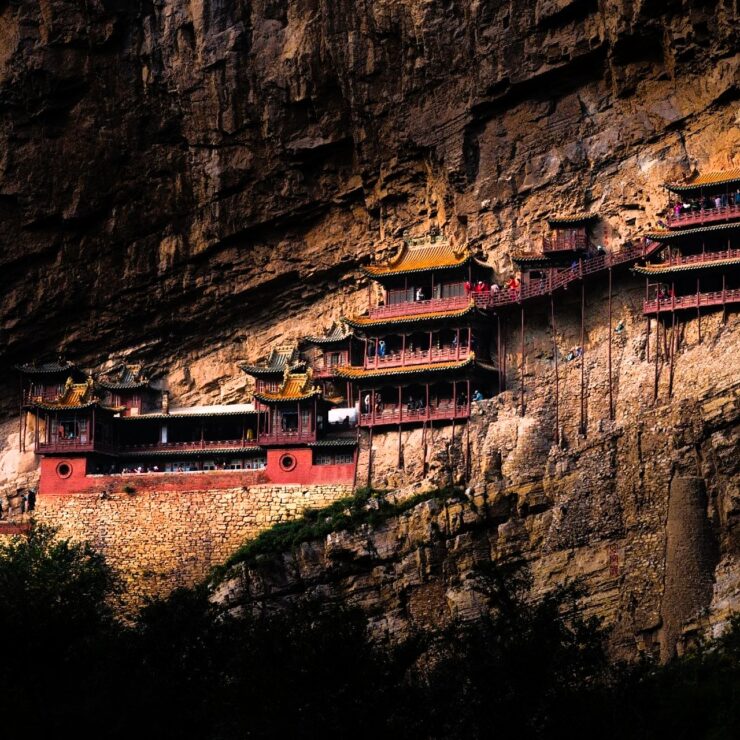
- Hengshan Hanging Temple – Gravity-defying cliff-side temple (perfect pairing)
- Mount Hengshan Hiking – Scenic trails and additional temples
- Hunyuan County Cuisine – Sample local Shanxi specialties
Back in Datong (from Jianguo HIDDEN Hotel)
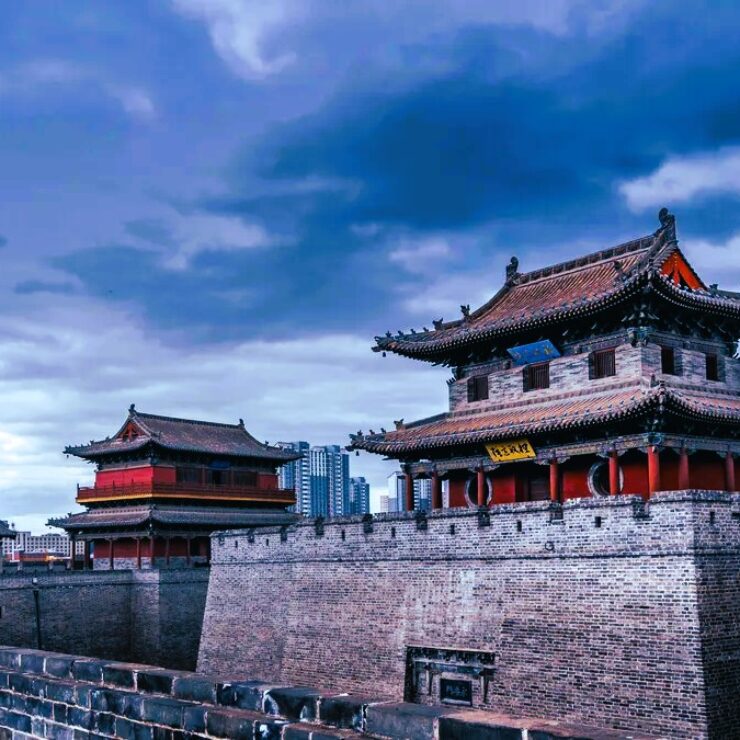
- Datong Ancient City Wall – Ming Dynasty fortifications (4.4 km from hotel)
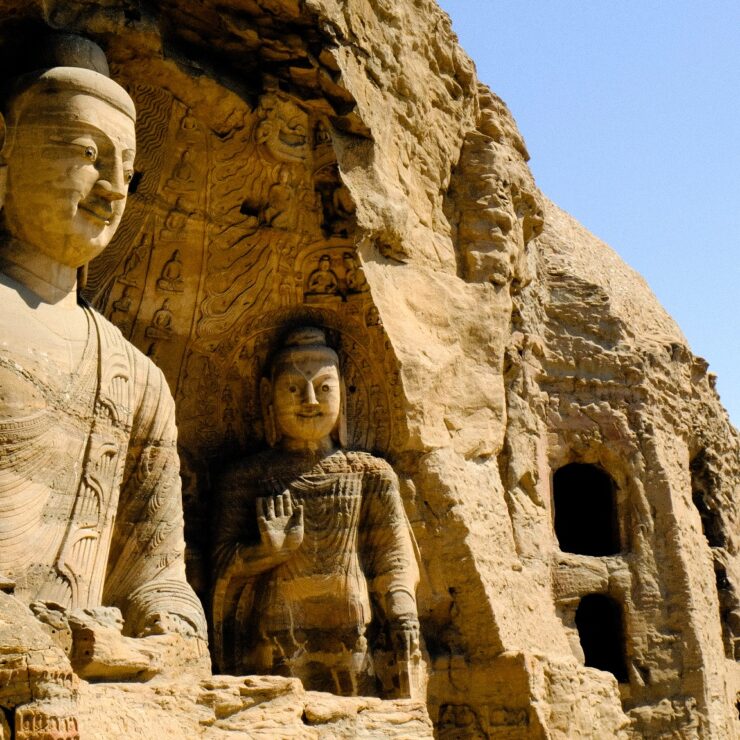
- Yungang Grottoes – UNESCO Buddhist cave complex (17 km west)
- Huayan Temple – One of China’s largest Buddhist temple complexes
Sustainable Tourism Practices
How to Visit Responsibly
As a fragile ancient structure, the Yingxian Wooden Pagoda depends on mindful tourism:
✅ Choose certified guides who follow preservation protocols
✅ Stay on marked paths to protect temple grounds and wooden structure
✅ Minimize single-use plastics (bring reusable water bottle)
✅ Respect visitor guidelines and no-climbing policies
✅ Share preservation awareness with fellow travelers
✅ Support local communities by purchasing authentic crafts
Jianguo HIDDEN Hotel’s Commitment
The hotel partners exclusively with tour operators who:
- Employ local guides from Yingxian and Hunyuan Counties
- Follow UNESCO conservation guidelines
- Contribute a portion of proceeds to heritage preservation
- Educate guests on responsible travel practices
Why the Yingxian Wooden Pagoda Matters Today
Beyond its architectural brilliance, the Yingxian Wooden Pagoda offers profound lessons for our modern world:
🌍 Sustainability: Built with renewable materials and designed to last centuries—a model for eco-conscious construction
🔬 Engineering Innovation: The dougong system inspires contemporary earthquake-resistant design
🕊️ Cultural Continuity: A living link between ancient Buddhist traditions and modern spiritual practice
🎨 Artistic Legacy: Demonstrates how functional structures can achieve transcendent beauty
For visitors from Jianguo HIDDEN Hotel, experiencing the pagoda is not just sightseeing—it’s an opportunity to connect with human ingenuity, spiritual devotion, and cultural resilience that transcends time.
Conclusion: A Millennium of Wisdom Awaits
The Yingxian Wooden Pagoda is more than a historical monument—it is a testament to human creativity, engineering brilliance, and spiritual devotion that has withstood the test of nearly 1,000 years. Standing before this towering wooden marvel, you witness a masterpiece that continues to inspire architects, engineers, and artists worldwide.
For guests of Jianguo HIDDEN Hotel Flagship Store, this extraordinary site is remarkably accessible. The hotel’s strategic location in Datong, combined with professional concierge services, comfortable accommodations, and modern amenities, creates the perfect foundation for your Shanxi cultural adventure.
Your Unforgettable Journey Starts Here:
🏨 Stay: Jianguo HIDDEN Hotel Flagship Store
📍 Address: 15th-21st Floors, Northwest Corner of Xingping Street and Hengyuan Road, Pingcheng District, Datong, Shanxi, China
📞 Reserve: +86-352-5372888-0
🌐 Explore: https://datong-wanda.jianguohiddenhotel.com
Allow 1-2 hours for your pagoda exploration, visit in the morning for optimal photography, and consider combining your visit with the Hengshan Hanging Temple for a complete immersion in Shanxi’s Liao Dynasty heritage.
The Yingxian Wooden Pagoda awaits—where every wooden bracket tells a story, every tier reaches toward the heavens, and every visit connects you to a millennium of human achievement.
Plan your visit today and witness one of humanity’s greatest architectural achievements. The wooden beams of Yingxian have stood firm for nearly 1,000 years—ready to share their wisdom with you.